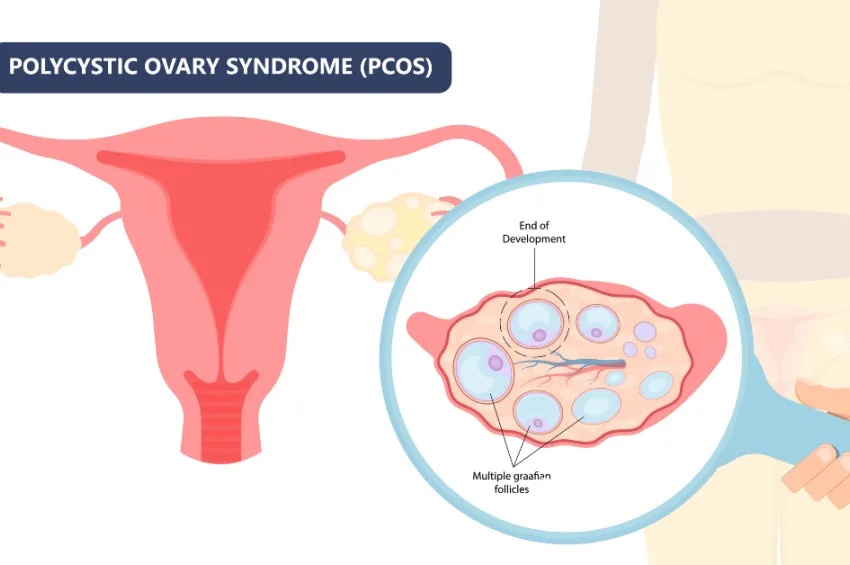
Polycystic Ovary Syndrome (PCOS) is a multifaceted condition that affects more than just menstrual irregularities; it impacts hormone balance, skin health, weight management, and psychology. One of the biggest challenges for many women with PCOS is increased hair growth on the face, chin, abdomen, and back. This often damages self-confidence and makes it difficult to relate to one's own body.
At the root of this hair growth lies a relative increase in androgen hormones in the body. While these hormones are normally present in women's bodies, in PCOS they become more dominant, causing fine hairs to thicken, darken in color, and grow more frequently. However, there's an important point here: the problem isn't just the hair itself, but the hormonal message the body is sending.
Blood sugar fluctuations are often noticeable in PCOS. These fluctuations further disrupt hormone balance and fuel the process that triggers hair growth. Therefore, the fight against this condition should not be limited to external treatments but should also involve an approach focused on balancing the body from within.
Diet is central to this process. A lifestyle based on irregular meals that rapidly raises blood sugar levels disrupts hormonal balance. A more balanced, regular, and less strenuous diet, on the other hand, helps calm hormonal fluctuations. This change won't create miracles in the short term; however, when sustainable, a decrease in the speed and coarseness of hair growth can be observed.
Stress is also an important factor often overlooked in the relationship between PCOS and hirsutism. A constantly alarmed nervous system struggles to maintain hormonal balance. Therefore, sleep patterns, breath awareness, and routines that reduce mental strain affect the hair growth process, indirectly if not directly.
The desire to get rid of unwanted hair is perfectly understandable; however, instead of fighting against the body, listening to it yields much more lasting results. PCOS is a journey that requires patience. Moving forward without self-blame, trying to understand your body, and taking small but steady steps strengthens you both physically and emotionally.
It should be remembered that having PCOS does not mean that femininity is lacking. It simply indicates that the body operates at a different rhythm. Recognizing that rhythm and learning to live in accordance with it is where true healing begins.
Functional Medicine Health Coach,
Başak Kaya