From the moment we are born, our skin is more than just a facade. It is our first organ to come into contact with the world. Before taking our first breath, our body lives in the sterile, warm, and protected environment of the womb; with birth, it encounters dry air, bacteria, light, temperature changes, and countless external factors. This is where the story of the skin barrier begins.
Until birth, the baby's skin in the womb is covered with a white, creamy protective layer called vernix caseosa. This layer is not just "birth dirt." It is actually nature's first skin barrier training. Vernix contains fats, proteins, and antimicrobial substances. It protects the baby's skin from softening for a long time in the amniotic fluid and also facilitates the transition to the outside world after birth. Many researchers describe vernix as a biological miracle because it is both a moisture retainer and an immune booster, and one of the structures that shapes the first microbiome.
When birth occurs, the baby suddenly enters a completely different universe. It moves from the 100% humid environment of the womb to a drier atmosphere. It is at this moment that the skin barrier begins to work rapidly. Newborn skin is much thinner, more permeable, and more sensitive than adult skin. In particular, the stratum corneum, the outermost layer of the epidermis, is not yet fully mature. Therefore, in the first few months, babies' skin loses water more easily, is more easily irritated, and becomes more susceptible to environmental influences.
However, the human body has an extraordinary adaptation system. From the first days of life, the skin begins to train itself. The protective lipid layer on the surface of the skin gradually develops. These lipids consist of ceramides, cholesterol, and fatty acids. In fact, this is the basic architecture of the skin barrier. The stronger this structure, the more moist, resilient, and calm the skin becomes. The weaker it is, the drier, more sensitive, and more prone to inflammation the skin becomes.
The first contact with the world greatly influences the future of the skin barrier. A baby who comes into contact with its mother's skin encounters not only love but also the mother's microbiota. This is why the initial microbial colonization differs between babies born vaginally and those born by cesarean section. Because skin is not just a physical covering, it is a living ecosystem. Millions of microorganisms live on it. A healthy skin barrier actually exists in conjunction with a healthy microbiome.
In the early years of life, the skin barrier is constantly learning. It learns about cold air. It learns about the sun. It learns about water, soap, fabric, detergent, stress, and touch. Every contact is biological information for the skin. Very harsh cleansers, excessively hot water, strong chemicals, and frequent irritation can disrupt this learning process. Especially in individuals who develop atopic dermatitis, eczema, or allergic conditions during childhood, genetic or environmental weaknesses in the skin barrier are often noticeable.
Both genetics and emotional environment are important in the formation of the skin barrier. This is because the skin is not just a physical organ; it is directly connected to the nervous system. The nervous system, which begins to develop in the womb, and the skin are formed from the same embryonic layer, the ectoderm. Therefore, stress, fear, feelings of security, and touch directly affect the skin. Even holding a baby affectionately can alter cortisol levels, affecting the inflammatory response of the skin barrier.
During adolescence, hormones take over. Sebum production increases. The skin barrier reshapes itself. In some people, acne develops because the balance between oil production and microbial activity changes. In others, excessive dryness or sensitivity develops. Thus, the skin barrier is not a static structure; it constantly transforms throughout life.
In adulthood, modern life places new burdens on the skin barrier. Air pollution, intense stress, irregular sleep, processed foods, UV rays, and excessive cosmetic use can gradually weaken the skin barrier. Especially in recent years, the habit of "over-cleansing" has disrupted the skin's natural lipid layer, creating chronic sensitivity. Many people actually have a damaged barrier, not dry skin.
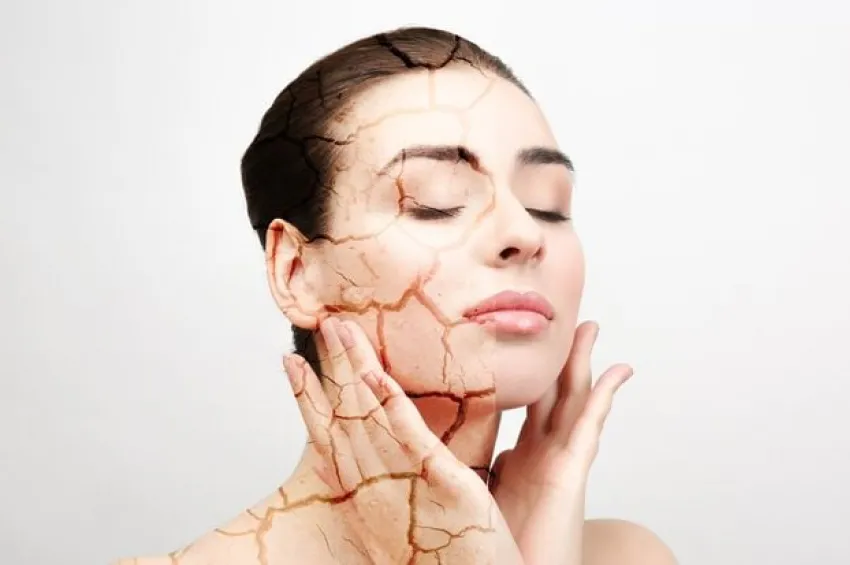
The skin barrier's primary function isn't just to block out harmful external elements; it also protects the moisture within. This is called transepidermal water loss. When the barrier weakens, water evaporates rapidly, causing tightness, flaking, burning, and redness. That's why healthy skin looks balanced before it looks "glass-like."
As we age, the skin barrier also ages. Ceramide production decreases. Collagen loss begins. Cell renewal slows down. The skin becomes thinner and more vulnerable. However, with proper care, balanced nutrition, sufficient sleep, stress management, and the use of gentle products, this barrier can be kept strong for many years.
In fact, the story of the skin barrier is the story of humanity's adaptation to the world. It's an invisible defense system that begins with the first protection in the womb and continues throughout life. Every wound, every sunspot, every healing, and every touch leaves a mark on the skin. Because skin is not just the outer surface of the body; it is the silent memory of life.
In recent years, people have begun to view skincare as merely a cosmetic matter. However, the skin barrier is concerned with fundamental biology rather than luxury products. Excessive exfoliation, constantly using active ingredients, and striving for squeaky clean skin often don't strengthen the barrier; on the contrary, they tire it out. Because sometimes the skin needs less intervention, not "more products."
A healthy skin barrier actually works silently. It doesn't burn. It doesn't constantly react. It doesn't feel tight. It maintains its own moisture. It can repair itself. Just like a healthy nervous system, it works in balance. Therefore, in modern dermatology, protecting the barrier has become the most important approach, not just covering blemishes or drying up acne.
The relationship between the gut and the skin also becomes important here. Because the gut barrier and the skin barrier can affect each other. Leaky gut, inflammation, and microbiota imbalances can increase skin sensitivities in some people. Therefore, sometimes the problem seen on the skin is not just on the surface; it is a reflection of the body's internal balance.
And perhaps the most impressive fact is this: Human skin constantly renews itself. New cells are formed approximately every 28 days. So the skin tries to rebuild itself every month. Therefore, healing is possible. A damaged barrier can be strengthened again with the right support. The body doesn't forget, but it also knows how to repair.
This story, which begins at birth, continues throughout life. From the first maternal touch to the lines of aging, the skin silently carries every stage of a person's life. From the softness of a baby's cheek to hands bearing the marks of years, every skin is essentially a biological diary of lived experiences.