When it comes to skin health, some conditions go beyond being merely an aesthetic issue and become a chronic process that directly affects an individual's quality of life. Rosacea, commonly known as "rose disease," is one of these conditions. This skin problem, which often manifests itself as facial redness, actually has a much more complex structure. Understanding rosacea involves not only recognizing the symptoms but also correctly interpreting the signals the skin is giving.
What is Rosacea and How Does it Occur?
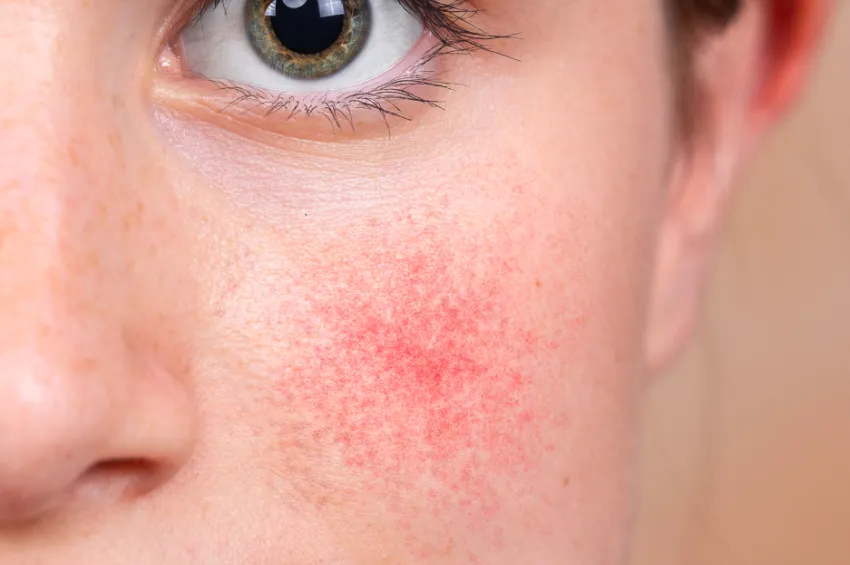
Rosacea is a chronic skin condition that usually appears on the face and flares up periodically. The cheeks, nose, forehead, and chin are most commonly affected. Initially appearing as temporary redness, this condition can become permanent over time. In addition to redness, prominent capillaries, acne-like blisters, and skin sensitivity may also be observed.
Although the exact cause of this condition is not fully known, genetic predisposition, immune system responses, environmental factors, and weakness in the skin barrier play a significant role. In particular, a weakened skin barrier creates a vulnerable structure against external factors, which facilitates the triggering of rosacea.
Characteristics of Rosacea Skin
Rose-prone skin is often thin, sensitive, and reactive. This skin type reacts quickly to external stimuli. Temperature changes, spicy foods, stress, alcohol, and some cosmetic products can increase redness. These skin types also often react with burning, stinging, or tingling sensations.
Another notable feature is the disruption of moisture balance. Although it may appear oily on the surface, there may actually be a significant lack of moisture in the underlying layers. This situation can be further exacerbated by the use of incorrect products.
Triggering Factors
One of the most important steps in rosacea management is recognizing triggers. While different for each individual, common triggers include:
Prolonged exposure to sunlight
Extremely hot or cold weather
Stress and emotional fluctuations
Spicy and hot foods
Alcohol and caffeine consumption
Incorrect skincare products
Being aware of these factors plays a critical role in reducing flare-ups.
The Right Approach to Skincare
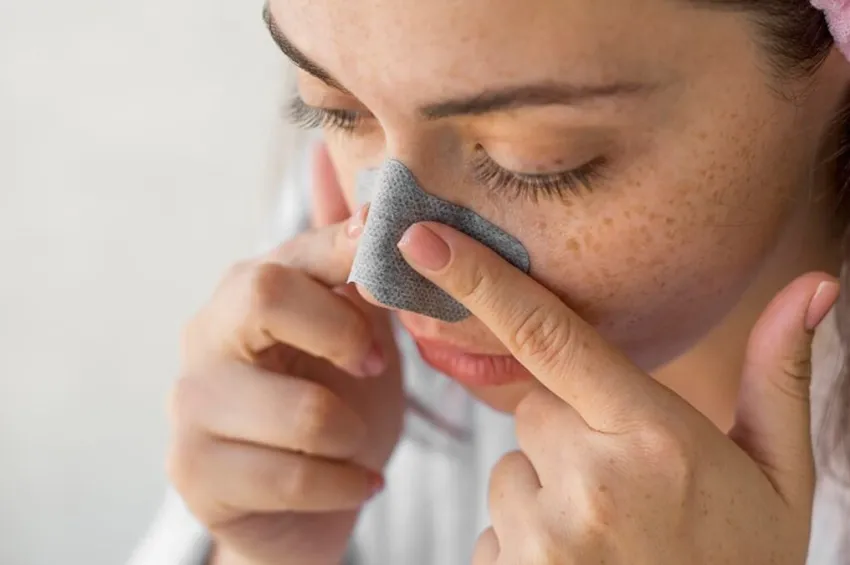
Skincare for rosacea-prone skin should be based on sensitivity. Harsh cleansers, alcohol-based toners, and products with intense active ingredients are not suitable for this skin type. Instead, gentle, fragrance-free products that support the skin barrier should be preferred.
During the cleansing phase, products with a low pH that do not dry out the skin should be used. Moisturizing is essential for this skin type. Ingredients such as ceramide, hyaluronic acid, and panthenol help strengthen the skin barrier.
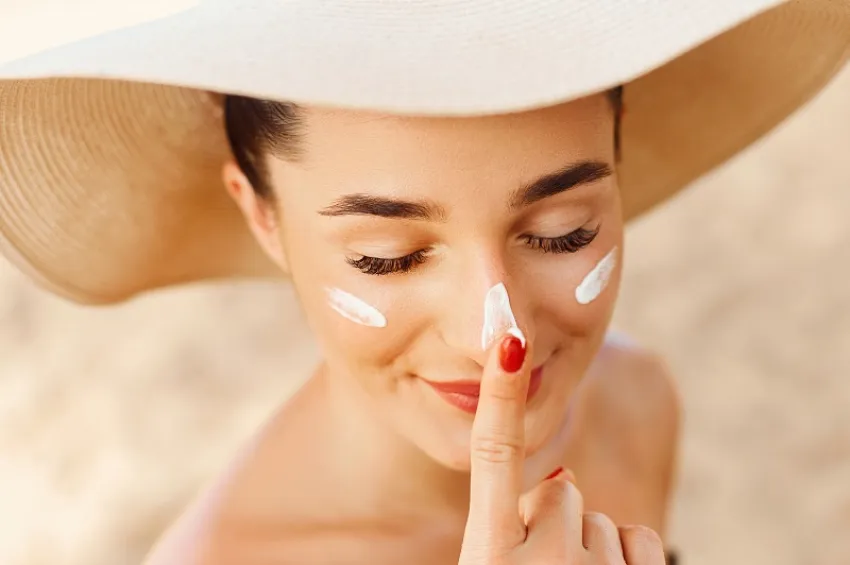
Sunscreen use is also a must. However, mineral-based (physical) filters should be preferred over chemical filters because these products carry a lower risk of irritation.
The Role of Nutrition
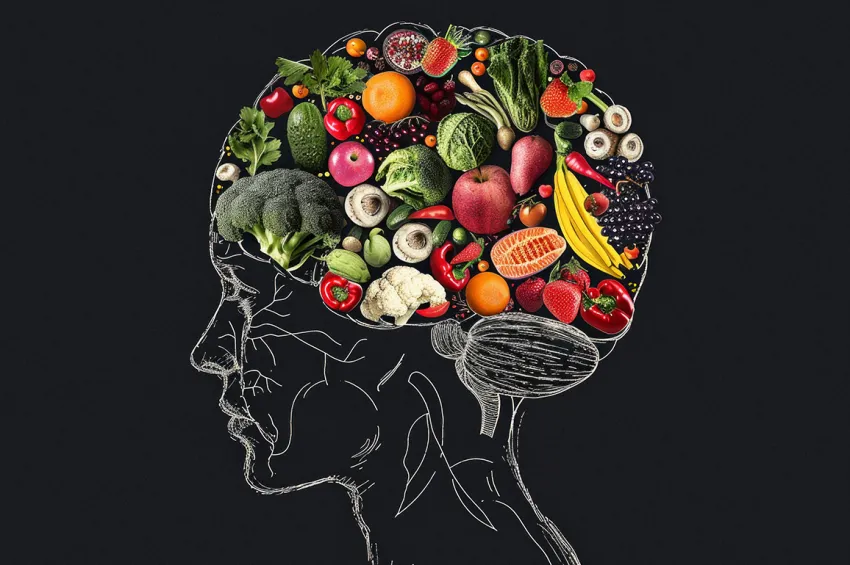
Skin health should be supported not only by externally applied products but also from within. A strong relationship between gut health and skin has been observed in individuals with rosacea. Therefore, an anti-inflammatory dietary approach can be quite beneficial.
Foods high in histamine can worsen symptoms in some individuals. Similarly, processed foods, sugar, and additives can trigger inflammation in the skin. A fresh, natural, and balanced diet plays a supportive role in rosacea management.
Psychological Effects
Rosacea is not only physically but also psychologically impactful. The redness and visible changes on the face can damage an individual's self-confidence. Feeling uncomfortable in social situations can even lead to introversion over time.
At this point, it is important to know that rosacea is a manageable condition. With the right care, lifestyle adjustments, and dermatological support when needed, symptoms can be largely managed.
Understanding rosacea requires patience and awareness. This skin type requires a gentler and more holistic approach than classic care approaches. Every skin tells its own story, and rosacea skin tells this story a little louder.
It is necessary to listen to it instead of suppressing it, and to support it instead of forcing it. Because skin is often a reflection of the body's internal balance. Living with rosacea actually means learning to establish a deeper connection with the body.