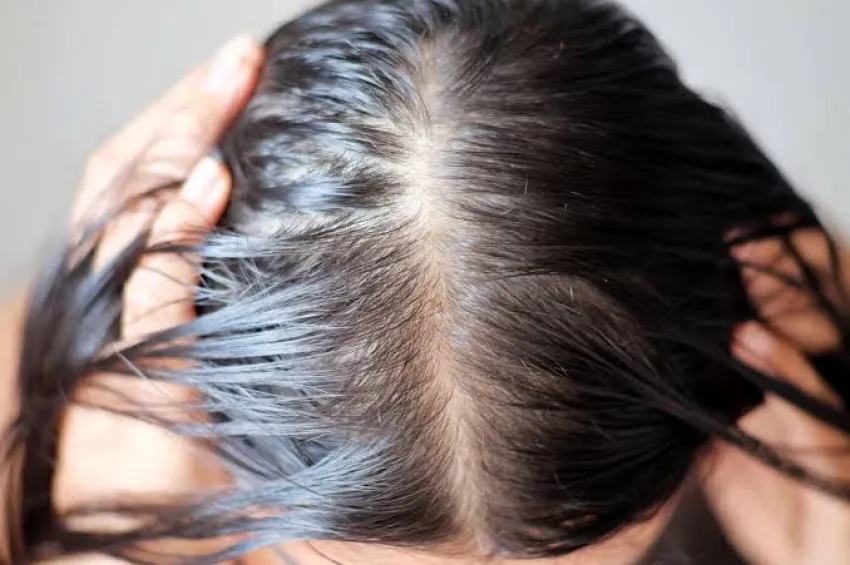
One of the first things many people notice when the seasons change is an increase in hair loss. Seeing handfuls of hair in the shower, finding significantly more hair than usual in the brush, or noticing that hair looks thinner and more lifeless than before can naturally cause concern.
In reality, our hair has its own life cycle. Not every hair strand grows at the same time; while some are in the growth phase, others are in the resting and shedding phases. During seasonal transitions, this cycle can cause shedding to become temporarily more noticeable.
Many people who notice increased hair loss—especially when transitioning from summer to autumn—might immediately attribute the cause to their shampoo or hair care products. However, hair loss is often a complex process that cannot be explained by a single product alone.
Factors accompanying seasonal changes—such as reduced sun exposure, fluctuations in temperature and humidity, shifts in daily routines, and the impact of environmental elements like sun, sea, and pool water experienced during summer—can affect the hair and scalp.
That said, not every instance of hair loss observed during seasonal transitions should be dismissed simply as "seasonal shedding."
If hair loss increases significantly, persists for weeks without subsiding, or results in visible thinning, other underlying factors should be investigated.
Intense stress, rapid weight loss, insufficient protein and energy intake, low iron stores, certain vitamin and mineral deficiencies, hormonal changes, thyroid issues, recent infections, and certain medications can all trigger hair loss.
Hormonal changes, particularly in women, can affect the hair growth cycle. Therefore, if hair loss is accompanied by symptoms such as changes in the menstrual cycle, significant fatigue, or other changes in the skin or body, it is advisable to seek a dermatological evaluation rather than focusing solely on hair care products.
One of the most common mistakes people experiencing hair loss make is applying as many products as possible to the scalp. Using more serums, oils, ampoules, or treatment products does not necessarily result in increased hair growth.
It is essential to correctly identify the scalp's needs. If the scalp is oily, products that add excessive oil can cause problems; conversely, if it is dry or sensitive, heavy or irritating treatments can disrupt the scalp's balance.
Protecting the hair itself is also crucial. Washing with very hot water, using high-heat blow dryers and straighteners, tying hair tightly, and vigorously combing wet hair can increase breakage. There is an important distinction to be made here: hair breakage is not the same as shedding from the root. While hair snapping at the ends can lead to thinning and loss of volume, this process differs from the mechanism of hair shedding that originates at the root.
For this reason, the foundation of hair care—especially during seasonal transitions—should involve maintaining scalp balance, cleansing the hair gently, ensuring adequate hydration, and minimizing damage caused by mechanical stress and heat.
Nutrition is also a vital component of hair health. Since hair follicles contain actively dividing cells, an adequate intake of energy, protein, and essential nutrients is important. However, rather than taking random vitamin and mineral supplements, the correct approach in cases of significant or prolonged hair loss is to undergo a medical evaluation and the necessary blood tests. Anyone experiencing significant hair loss should not simply wait it out, assuming it is merely a normal result of autumn’s arrival. While seasonal shedding may be temporary, early assessment is crucial when hair loss stems from other underlying causes.
When addressing hair loss, the most important factor is understanding the condition of the hair follicles and the scalp, rather than focusing solely on the hair strands themselves.
Sometimes, our hair can signal not only issues specific to the hair itself but also changes occurring within our bodies.
Therefore, rather than panicking over a temporary increase in shedding during seasonal transitions, it is best to simplify your hair care routine, treat your scalp gently, and investigate the cause if the hair loss becomes pronounced or persistent.
Let us not forget: healthy hair should be viewed not only in terms of externally applied products but also in the context of the overall health conditions affecting the hair follicles.
The right approach to hair loss is not to count the fallen strands, but to understand the underlying cause of the shedding.